


My high school friend gave people reasons to feel good about themselves. For starters, he loved to quote ’80s songs.
By Dulce Zamora
When I was 15 years old in the 1980’s in the San Francisco Bay Area, a bunch of boys in my sophomore class called me on the phone. “Don’t go with John to the Soph Hop,” they said. “He has herpes.”
They giggled, before adding, “Go with Mel instead.”
Back then, I didn’t know Mel or his posse that well, but it was clear they were looking out for him. “He’s a good guy,” they said. “Give him a chance.”
“Thanks, but we already promised John,” I said. John was a classmate who had invited my friend Emily and me to his house the week before. His grandma made us cookies, we sang while he played the piano, and, when he brought out his cassette player, he introduced us to The Cure. We had so much fun that we made a pact to be one another’s dates to the Soph Hop, our school’s formal dance for 10th graders.
John didn’t have herpes. The fellas (that’s what they called each other) were just kidding about that. However, they were serious about setting up their homie (another moniker). Whenever I encountered them in the hallway, they’d blurt out the words with nervous laughter: “Go with Mel” and “He’s a good guy.”
Their Go-with-Mel campaign was funny. My girlfriends and I acted just as silly when one of us liked one of them. Mel was more reserved. He smiled shyly when we made eye contact while passing each other in the hall.
A few days later, he phoned without his crew and asked me to be his date to the Soph Hop. It was great timing. Emily and I had a falling out with John. (Nothing serious. Typical teen drama. Everything is fine now.) So, I accepted Mel’s invitation, not knowing that it would be the first of several formal dances we’d attend together.


Stand By Me
At first, Mel preferred a romantic relationship, but I didn’t want anything to get in the way of pursuing my writing career and from exploring the world. Mel respected that. He said he admired my determination and perseverance.
So, without pressure, we hung out while doing schoolwork or while carrying out mundane tasks. Mel helped my friends and me with an ambitious science fair project. We wanted to make a telescope. We bought round frameless glass and worked feverishly to grind it into shape. It was strenuous work. Mel helped us with most of the manual labor. (He was strong and was voted “Best Physique” in our class.) Although we didn’t complete the lens on time, we had done enough for the science teacher to recognize the effort. My friends also acknowledged Mel’s contribution. When referring to the project, they identified him as part of the team.
At home, my younger siblings began to see Mel as a big brother. He listened to my sister Nina’s boy problems and gave her rides whenever she needed them. He also tolerated my brother Francis’ rambunctiousness and dedicated time to helping the little guy prepare for his baseball tryouts.
Over time, I also began to trust him. He wasn’t like other males who showed interest and then disappeared when I didn’t return their affection. Those guys couldn’t fathom why I prioritized homework over talking with them on the phone. Sometimes they became combative or pulled guilt trips after I politely declined their advances. They urged me to lighten up, to be more fun, or to break rules. (My parents didn’t allow dates outside of school functions). There were also boys who wanted to shut down conversation right away when I shared opinions on current events.
“Chill,” they said.
Mel wasn’t like that. He accepted me the way I was. He never made me feel bad about having a busy schedule, even when we became a couple in senior year. He didn’t say things like “You already have straight A’s, why are you doing more?” “Oh, I see, you’d rather hang out with your club friends at lunch.” Or, “You’re too good for us now.” The people who said those things failed to recognize that the time I spent away from them – participating in various activities and researching/applying for colleges and scholarships — was what I needed to do to accomplish my goals. They also didn’t see that I enjoyed my activities and working toward my future filled me with hope and excitement.
There were times that Mel wished we were more like couples who always sat together at lunch or held hands during breaks, but he told me to not to worry about it. “I’ll figure it out,” he said, signaling that he needed to sort out his feelings on his own. Meantime, he encouraged me to stay the course.
“Keep following your dreams,” he said.
I felt terrible about letting him and everyone else down. No matter how much I tried — and I tried — I couldn’t be everywhere at once and be everything to everybody..
Under Pressure
In the spring of my senior year, I found myself navigating a wave of social and cultural expectations. Mel was there. He saw me trying to be a good family member, a good friend, a good girlfriend, a good student, and a good Filipino American. He also knew that my parents and I were at odds over which college I should attend. I had a different vision for my future than my parents and the dispute was complicated by generational differences and cultural ambiguities. They grew up in the Philippines in the 1950’s. My formative years were in the 1980’s, split between the motherland and the new land (the U.S.).
In the Philippines, it is generally understood that children must obey and take care of their mothers and fathers. Children of immigrants or kids who are immigrants themselves have more reason to do this. Our parents left their beloved homeland and toiled in a strange place, enduring hardships and humiliation, to provide better lives for us. In a sense, there is an obligation to reciprocate. The Tagalog term utang na loob (debt of the inner self) is often used to describe the social contract. It’s not always as harsh as it sounds. After all, when someone does a lot for us, we naturally want to give back.
Mel understood all of this. He and I were part of a large, close-knit immigrant and working-class community in Northern California. Mel called it “The Family.” Our group was mostly made up of Filipino-Americans, but we also had folks from different races. We hailed from several high schools, and, as we grew up, expanded our circle to include friends from various colleges. Looking back, it’s apparent that our camaraderie was based on shared experiences.
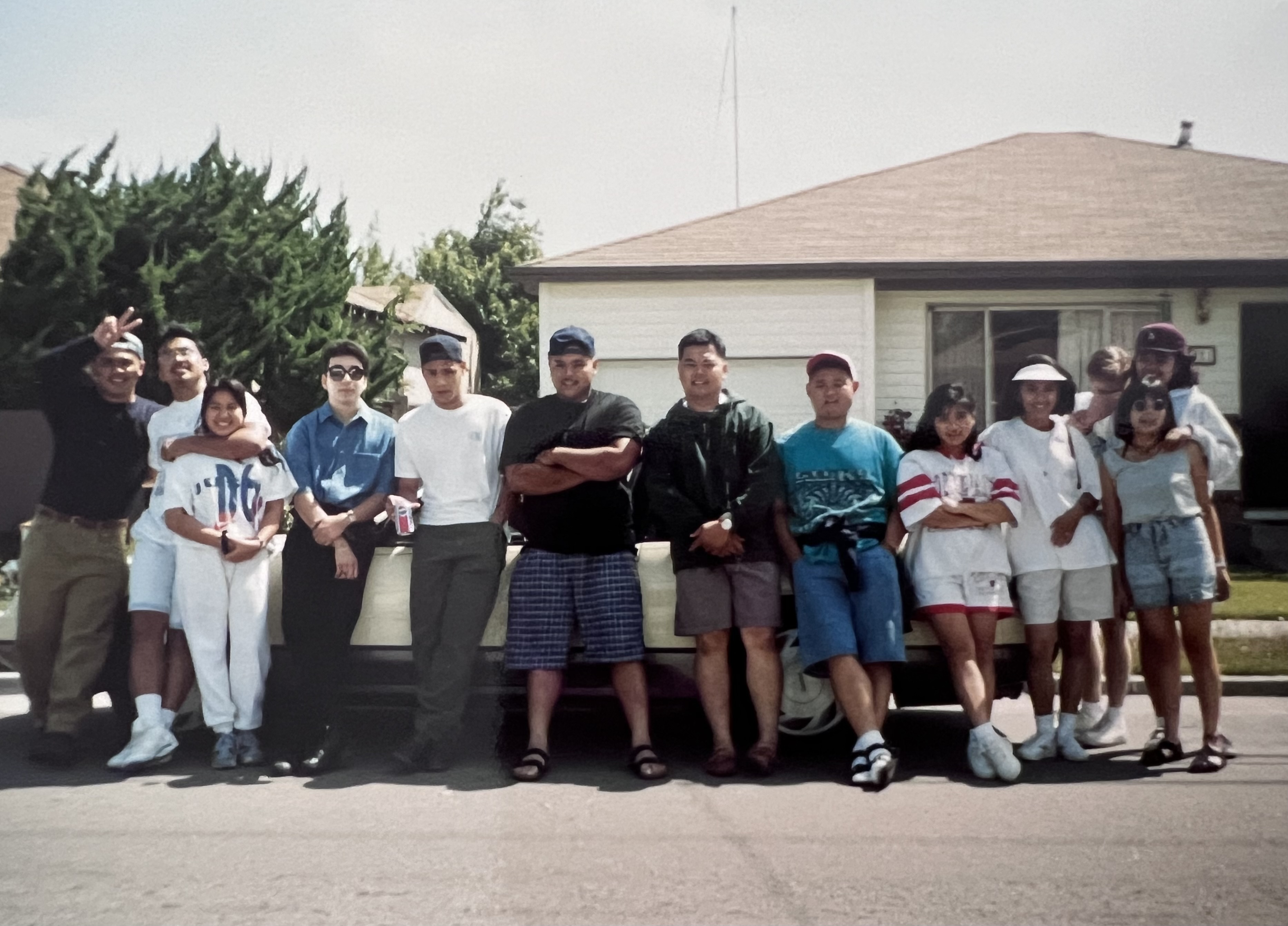

I didn’t know it then, but The Family (which actually includes several of my biological relatives) became part of my identity. When I was younger, I loved being a part of it and, at the same time, wished I could separate from it. I craved new shores and new experiences.
Mel witnessed my identity struggles but he didn’t know what to do any more than I did. We were just kids. We didn’t yet have the experience or the wisdom to put things into perspective. However, he was always present with his concern.
One day, in between classes in the 12th grade, I was at my locker when I broke down crying. College decision day was coming up and I didn’t know what to do. Mel stood a few feet away, looking worried and unsure whether to approach me. After a few seconds, he started walking my way, but he didn’t reach me in time. Our campus counselor, Ms. Vlahos, had seen my distress and brought me to her office.
Ms. Vlahos introduced me to the idea of staying true to my authentic self. She inspired me to get in touch with the real me, not the person trying to please everyone else. I cherished her words of wisdom, wanting to put them into practice, but I didn’t quite know how to do that yet.
It would be another few years before I truly acknowledged my authentic self, but Mel was way ahead of the game. He saw the real me from the start and celebrated it, even when it was inconvenient for him.
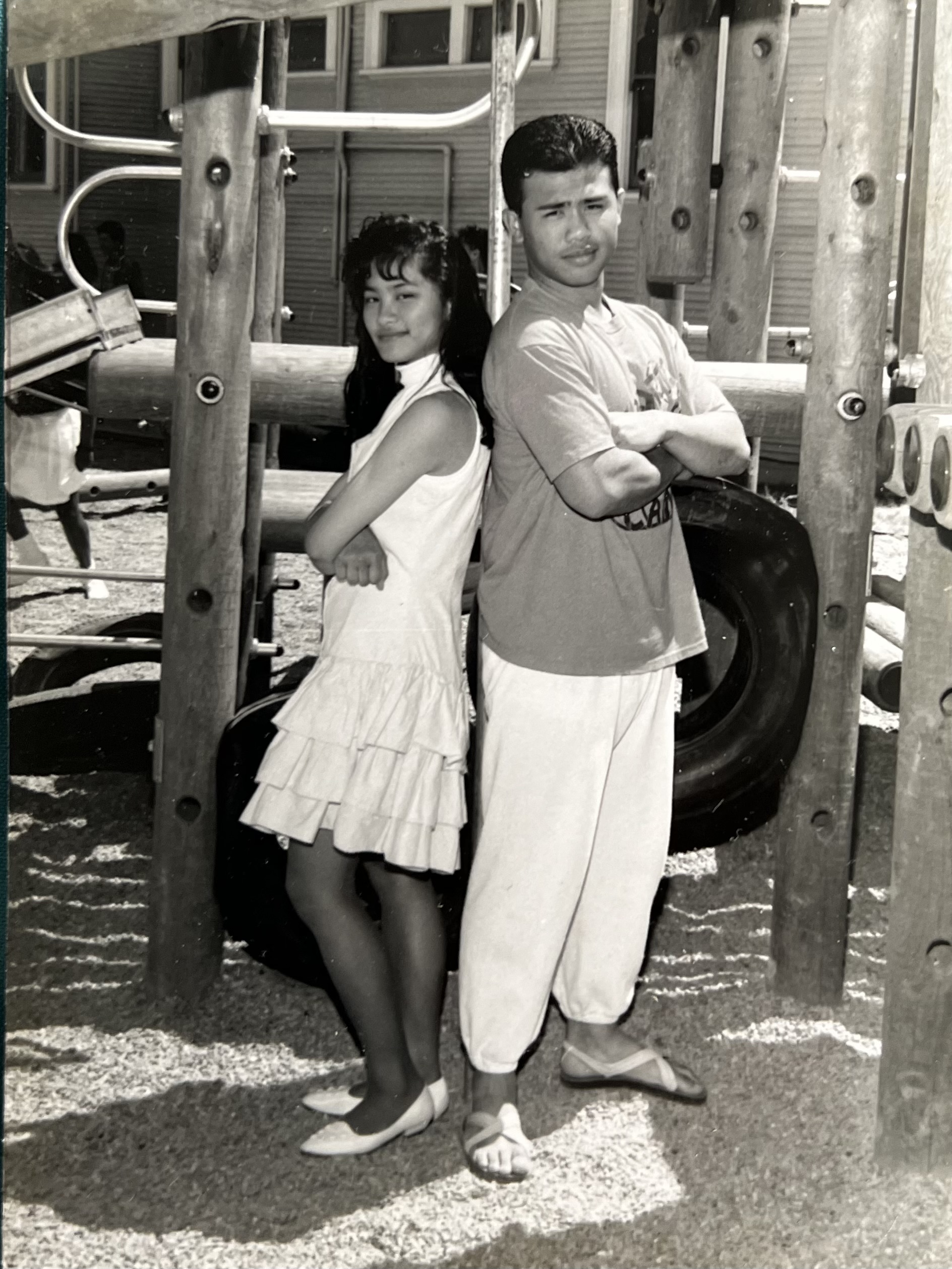
In my 11th grade yearbook, he wrote: “Reach for the stars and fulfill all your dreams. You will lead a great and happy life. I promise you.”
Mel loved to quote songs in conversation and letters. “I promise you” referred to the 1987 hit “Promise Me” by The Cover Girls. It was also the theme of our school’s Junior Prom.
Every Rose Has Its Thorn
On September 7, 2024 – thirty-five years after we graduated from high school — I woke up in my Singapore home to the news that Mel passed away at his Bay Area home. He was 53 years old. He had a loving wife, Rosie, and a teen daughter, Julia. They were his dream come true. He had a very happy life with them.
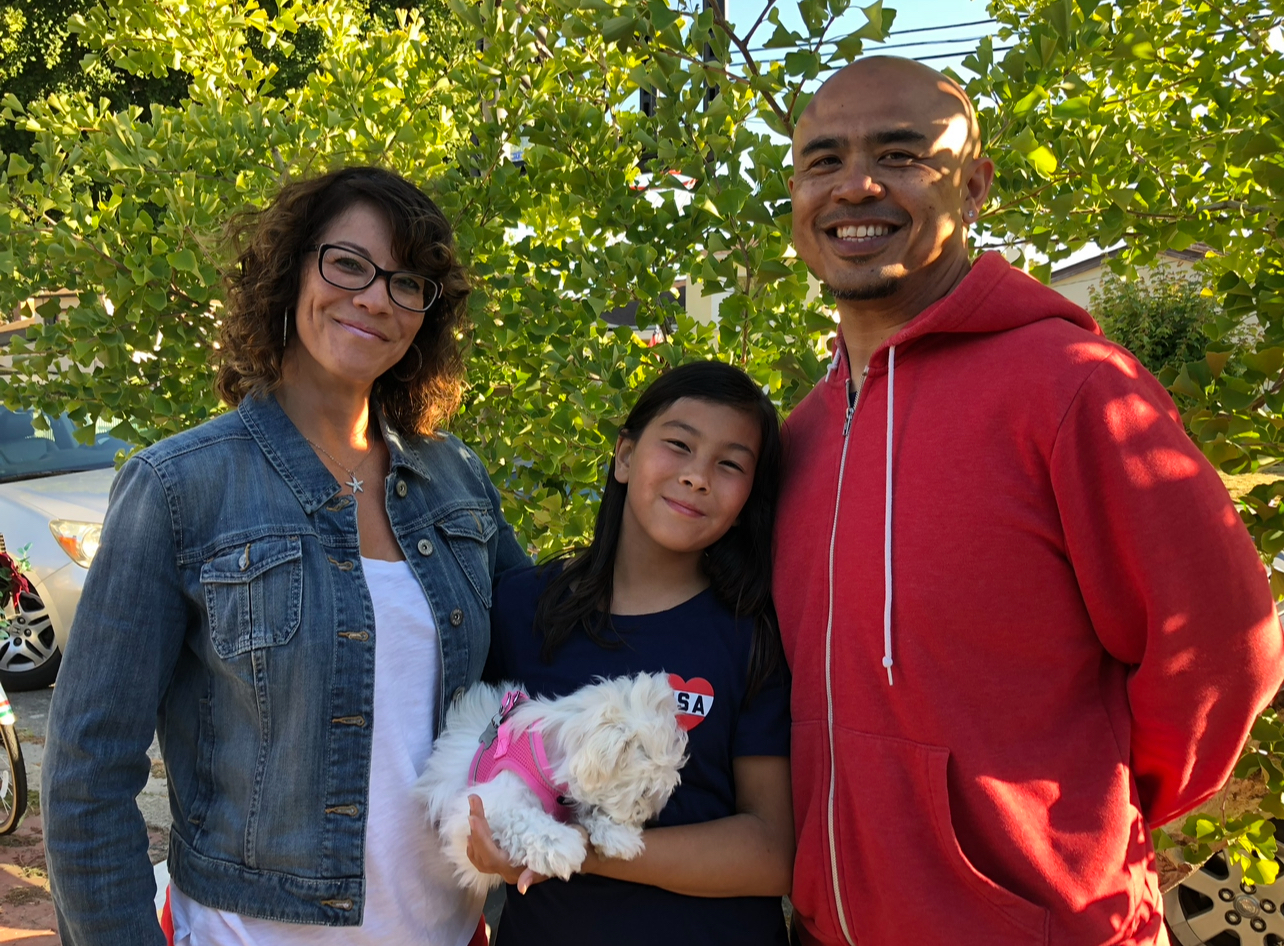
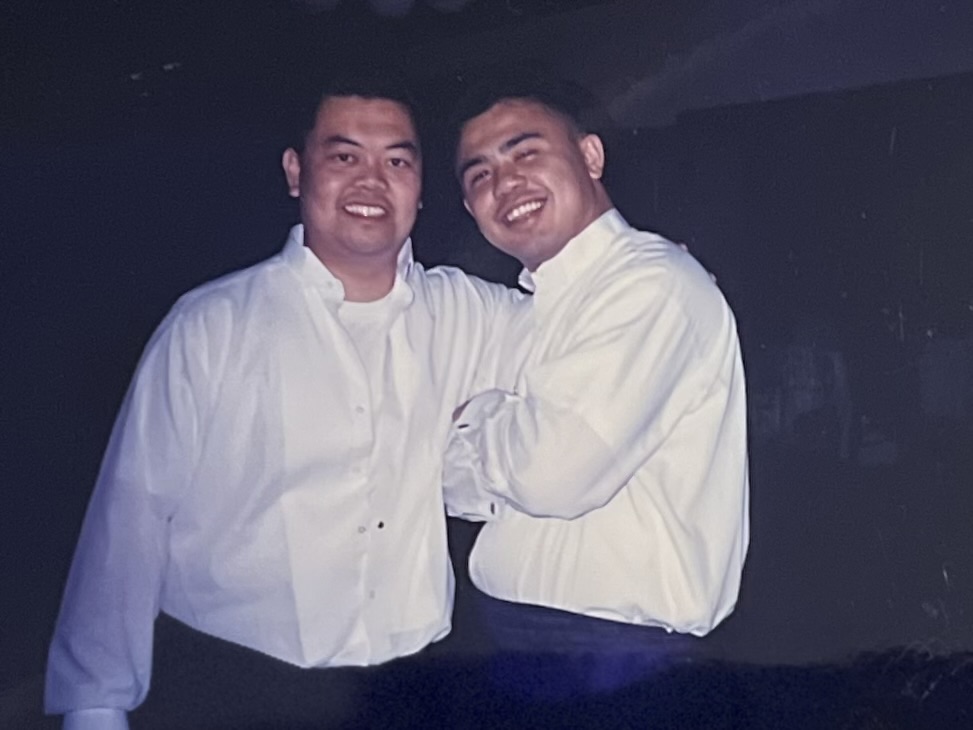
Mel and I maintained a wonderful friendship through the years. When I look at photo albums, there are dozens of pictures of him at birthday celebrations, graduations, weddings, reunions, picnics, hikes, and miscellaneous gatherings. In the 1980s and 1990s, he was ubiquitous in my life as we orbited the same circles. Then, I moved away to different places — first to pursue my career and then, eventually, to support my husband’s career and to raise our children.
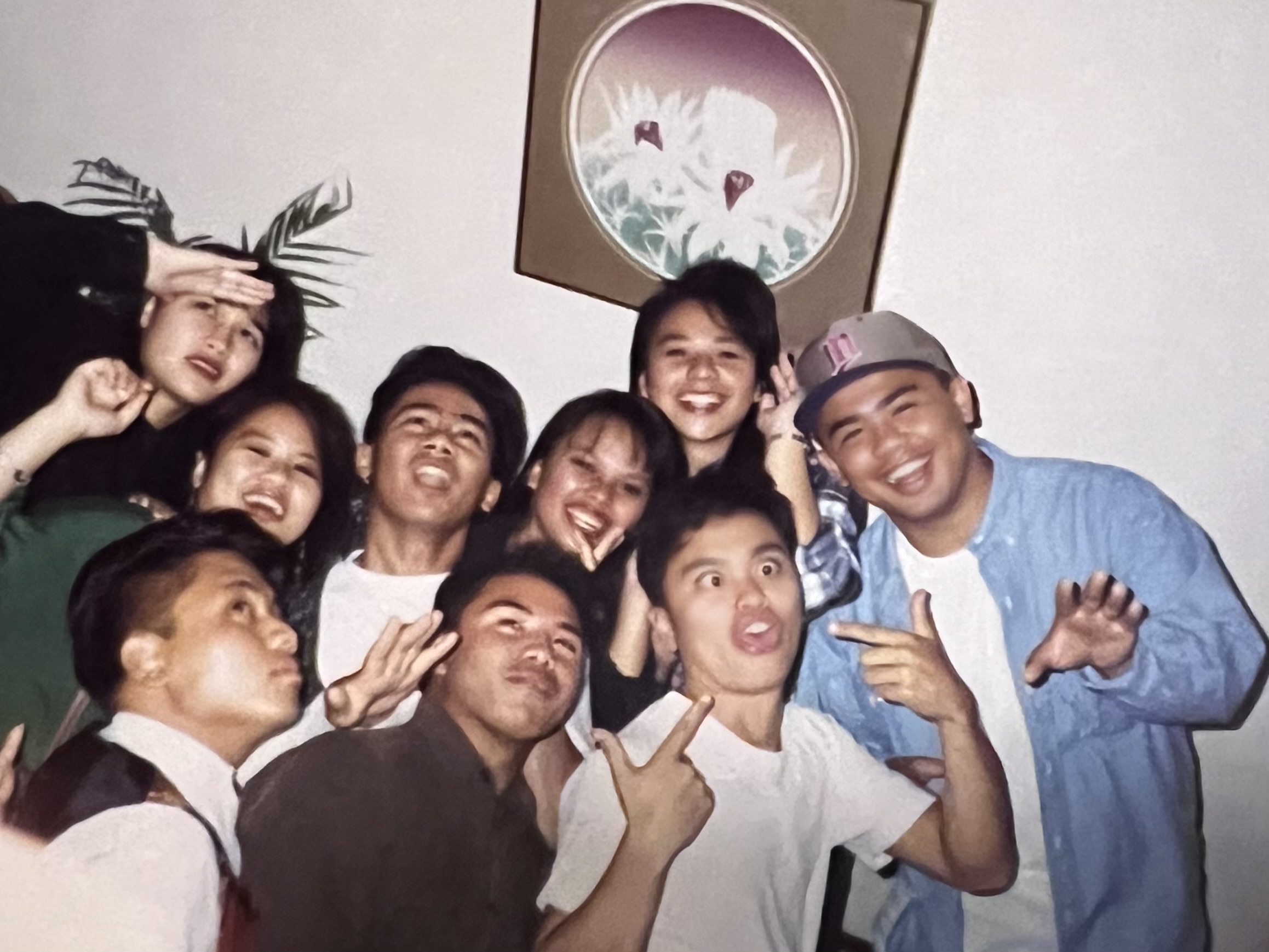

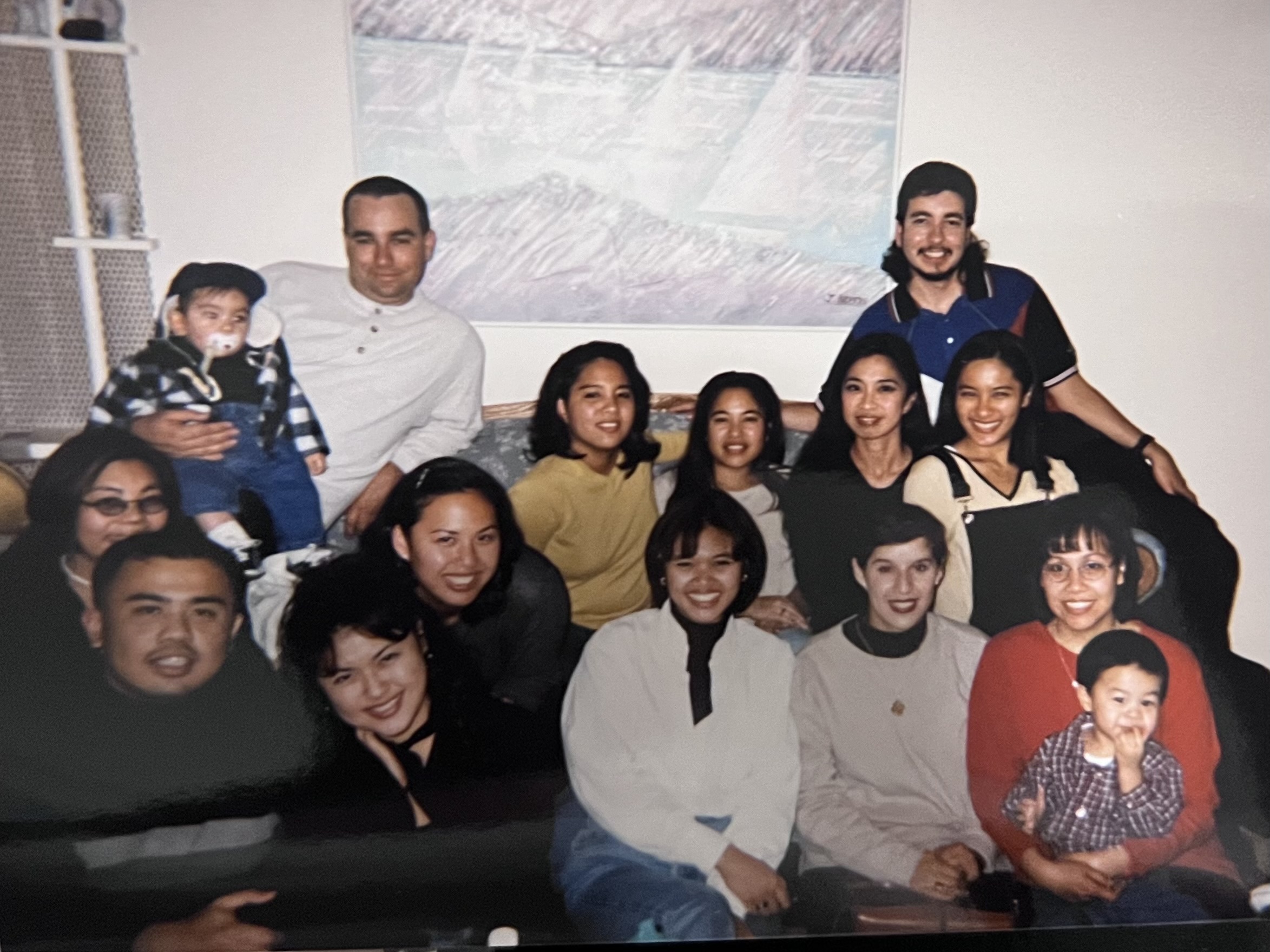
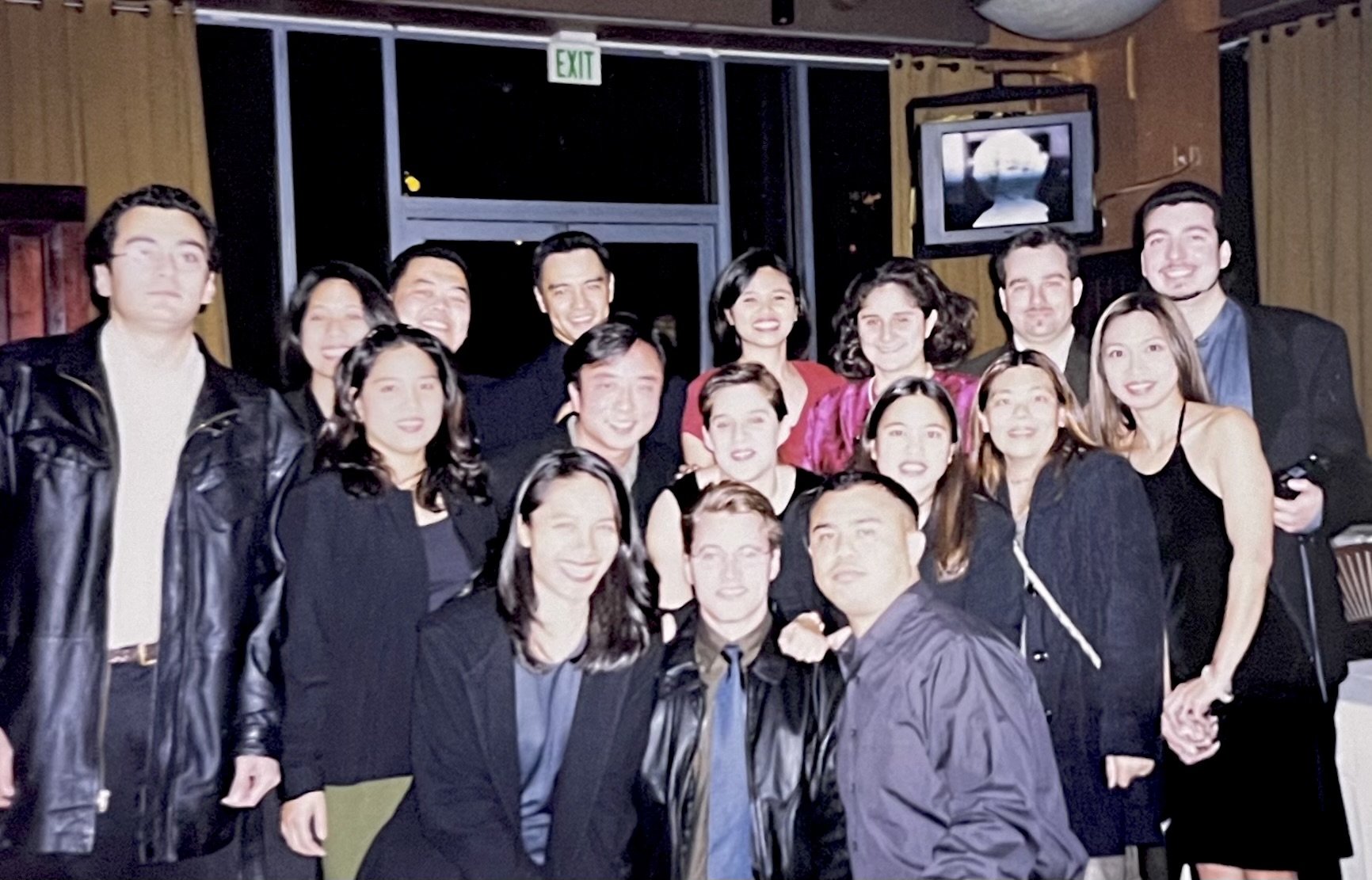
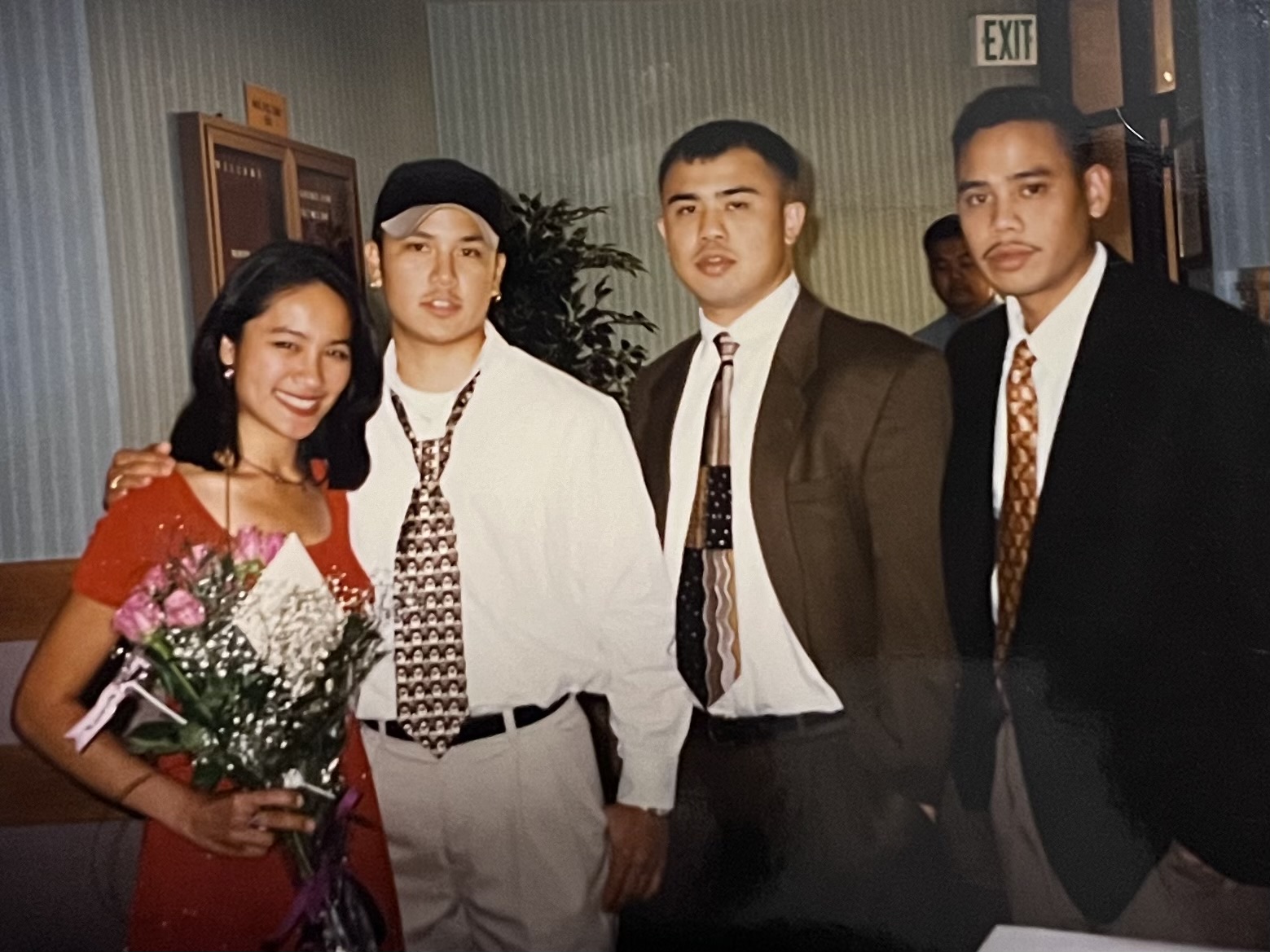


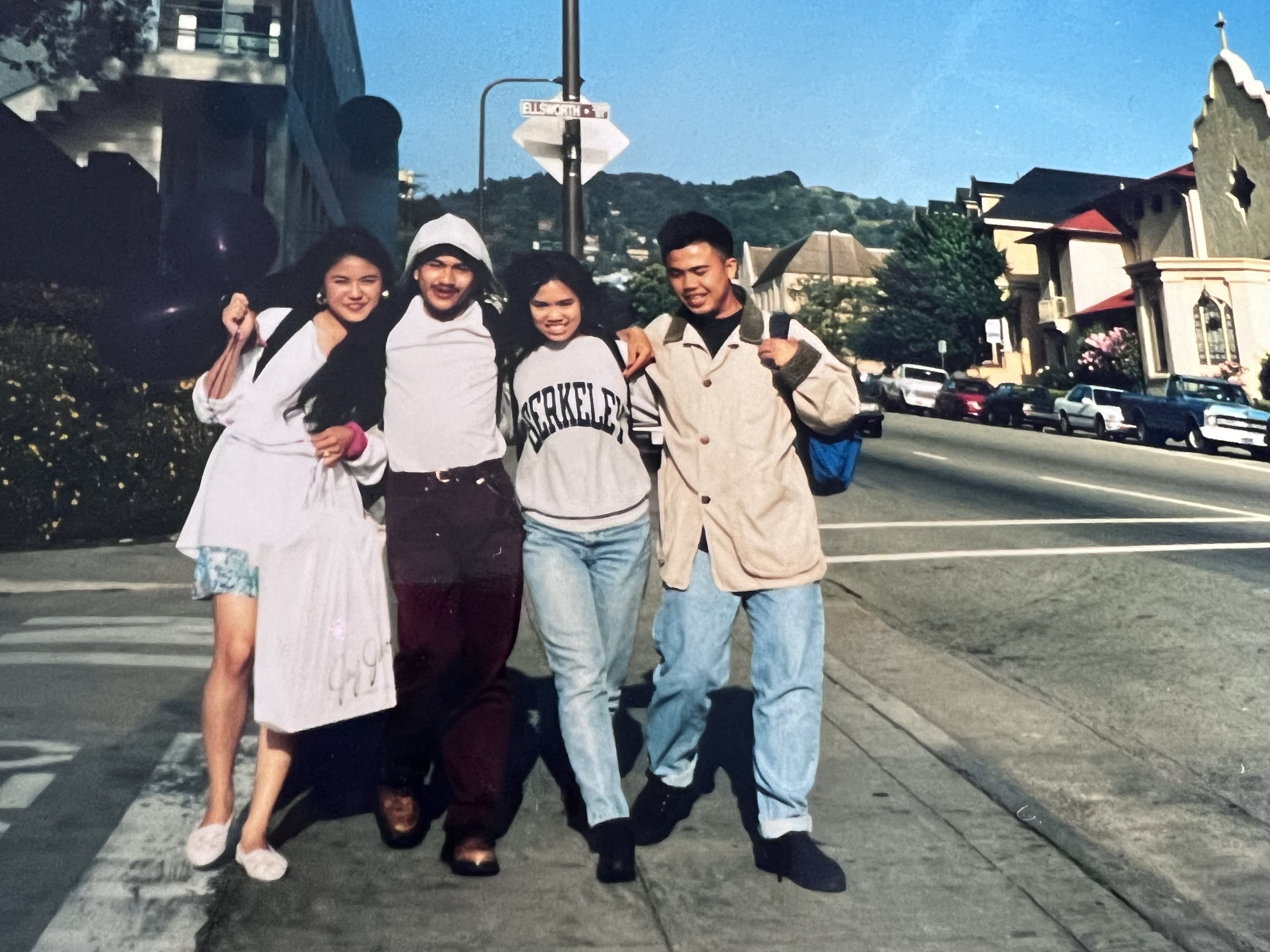
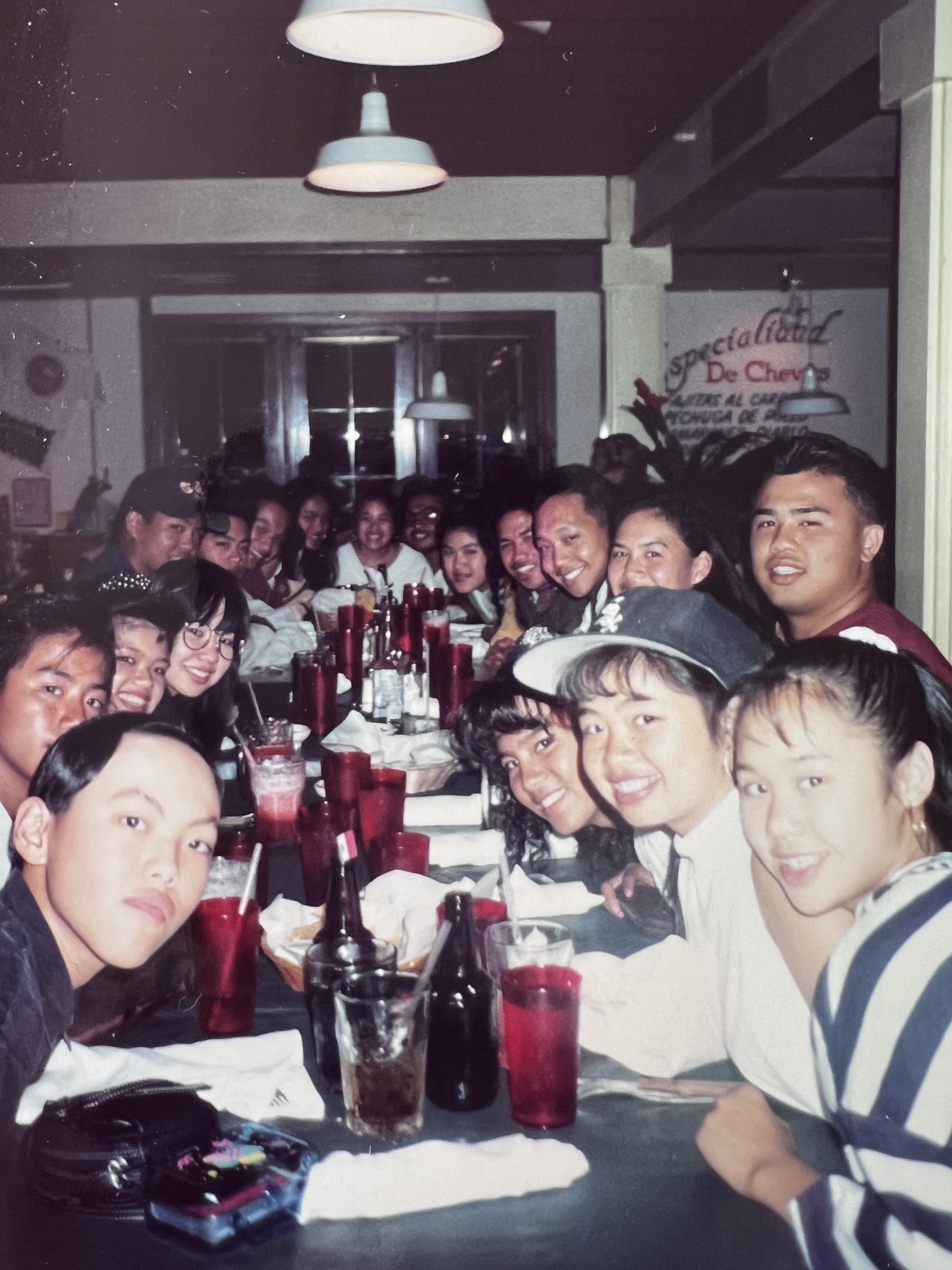
In the last few years, Mel and I didn’t communicate as much. We were busy with our own lives. When we did connect, I felt his genuine sincerity and warmth. Plus, the fabric of our community was strong. We were threads that intertwined from time to time as we weaved new meaning to our existence in the States and around the globe.
Forgive me for going deep, but it feels appropriate in this case. Mel was profoundly reflective. He had insight that was revolutionary. At 15 years old in the 1980s, he was already telling me it was okay to be different, even if being different meant he didn’t get his way.
Where Do Broken Hearts Go?
After news of Mel’s death, I reached out to The Family. We shared our disbelief.
“He was so young,” we said. “He was fit!”
We tried to make sense of our loss. We concluded that “life is short” and “there are no guarantees” so we should tell each other how we feel. We detailed what we liked about each other and recalled the good times. We promised to stay in touch.
Beyond these conversations, thoughts of Mel consumed me. I couldn’t figure out why. After a few days, the words shared by family and friends came together in my head like pieces of a puzzle. I realized why Mel’s death hit so hard.
- Our mutual buddy, Rod, said, “Mel always made us feel important. Doesn’t matter if there are a lot of people there. He always made time to spend with you and talk to you with his undivided attention.”
- Our college pal, Fred, said, “Mel was someone I gelled with because we were both October babies and we were both laid back. He was someone that I took the time to bond with since we were both commuter students.”
- My brother, Francis, said, “To this day, my baseball swing is based on what he taught me about hitting a ball. In a lot of ways, I saw him as a big brother.”
These were only a few of the things people said about Mel. In conversations, I heard variations of I saw him as a big brother, He made me feel important, and He understood me.
Mel made an effort to show up. He made time to see us, to really see us. No wonder so many of us have felt disoriented. He was a light in our lives. How could he be gone?


Don’t Dream It’s Over
Anyone who’s ever felt invisible knows what a gift being seen is. Being seen nourishes our need for connection.
When someone sees us like Mel did, it feels amazing!
Personally, I have always appreciated his incredible belief in me. In the last few years, I have made efforts to reconnect with my professional writer self but it’s been tough. I’m an expat wife and mother now, raising kids in a foreign land. However, it feels like Mel is lighting a path for me, reminding me who I am.
Dang, girl, that’s deep! This is what I imagine Mel would say. If he could read this story, I think he’d be proud of me. He’d know that sharing my journey will help other people feel seen, too.
I’m also proud of him – of the way he lived his life and of the remarkable legacy he left all of us. He was a witness to so many of our life experiences. It’s hard to forget someone like that.
Mel predicted that I would make a difference in the world, but I think he’s the one that’s already done that.
He showed up. (Always.)
He saw us. (He really did.)
He conquered our hearts. (Forever.)
Love is like a door. It must be opened from inside so that others may enter. Give it all U got ’89
– Mel, senior quote
© 2024 Windswept Wildflower


So well said Dulce! Thank u for putting into beautiful words what I have been feeling since his passing. May we never forget how special Mel is and how much he means to us as long as the “fellas” and the family are around
LikeLike
Wow. Mel’s mom is my sister. Thanks a lot Miss Dulce. I was really touched. Thanks for giving importance to Mel.
LikeLiked by 1 person
Thank you, Auntie. What I’ve said is true. Mel’s actions speak for themselves. He’s very important to a lot of people bec he made a lot of people feel important.
LikeLike
One in a million friend. Heaven has a new angel.
LikeLike
Indeed.
LikeLike
You got me all teary eyed🥲 … what a wonderful tribute. Rest in eternal peace, Mel! 🕊️
LikeLike
❤️
LikeLike
❤️🙏 Thank you Duls
LikeLiked by 1 person
❤️
LikeLike
❤️🙏
LikeLike
❤️
LikeLike
i loved reading this dulce. thank you for sharing your story and memories of mel with us. he truly was a bright light in our world.
LikeLike
He is still a bright light for so many of us. ❤️
LikeLike